Description
Mephedrone (4-MMC / MCAT) – Effects, Risks & Harm Reduction
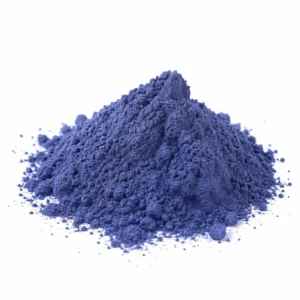
Mephedrone (4-MMC), also known as MCAT, is a synthetic stimulant with empathogenic properties that has been associated with nightlife, party environments, and chemsex settings, particularly in parts of Europe. It is commonly associated with intense euphoria, increased energy, heightened sociability, talkativeness, and increased sexual interest. However, its effects can vary between individuals, and its use carries several potential health risks.
Key Risks of Mephedrone (MCAT)
- Compulsive redosing: Its relatively short-lasting effects may encourage repeated consumption, increasing the risk of adverse effects.
- Cardiovascular strain: Increased heart rate and blood pressure can place additional stress on the cardiovascular system.
- Overheating: Elevated body temperature and prolonged physical activity can increase the risk of dangerous overheating.
- Emotional crashes: Some individuals experience anxiety, low mood, irritability, or exhaustion after use.
- Increased sexual risk-taking: Stimulant effects may affect judgment, communication, and decision-making during intimate encounters.
Harm Reduction Tips for Mephedrone (MCAT)
- Understand the risks: Be aware of the potential effects and dangers associated with stimulant use.
- Avoid repeated consumption: Repeated dosing can increase toxicity and cardiovascular risks.
- Stay hydrated: Drink fluids regularly without consuming excessive amounts of water.
- Take cooling breaks: Avoid prolonged physical exertion in hot environments and allow your body time to cool down.
- Prioritize nutrition: Maintain regular meals and avoid neglecting food and rest.
- Plan for recovery: Allow time for sleep, proper nutrition, and emotional support following substance use.
Mephedrone can place considerable stress on the body and mind. Chest pain, difficulty breathing, seizures, severe overheating, or loss of consciousness require immediate emergency medical attention.