

Description
Tuci (Tusi / Pink Powder) – Effects, Ingredients, Risks & Harm Reduction
Tuci, also known as Tusi, Pink Powder, or Pink Cocaine, is a colourful mixture of psychoactive substances commonly associated with nightlife, dance clubs, music festivals, and party culture. Despite its nickname, Pink Cocaine often contains no cocaine. Instead, it may consist of various substances, including ketamine, MDMA, caffeine, stimulants, and other unidentified ingredients. The composition can differ considerably from one sample to another, making its effects and potential risks difficult to predict.
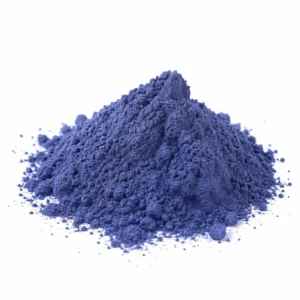
Some varieties are marketed with distinctive aromas or added fragrances, including blueberry scents. However, these characteristics do not reveal what a substance contains or provide any indication of its purity, potency, or safety.
At Speedy Charms, we believe that understanding emerging substances and their potential effects is an important part of promoting informed decisions, nightlife awareness, and harm reduction.
What Is Tuci (Tusi or Pink Powder)?
Tuci is a street name used to describe mixtures of psychoactive substances that are often recognized by their distinctive pink colour. Although the name has historical associations with 2C-B, many contemporary products sold as Tusi contain completely different ingredients.
Some commonly reported characteristics include:
- Distinctive pink colour: The bright pink appearance is one of the most recognizable features associated with Tuci, although colouring does not indicate its chemical composition.
- Unpredictable ingredients: Mixtures may contain ketamine, MDMA, caffeine, stimulants, or other unidentified substances.
- Nightlife popularity: Tuci is frequently discussed in connection with electronic music events, dance clubs, festivals, and party environments.
- Variable composition: Different samples may contain different ingredients and concentrations, making laboratory analysis important for identifying their contents.
Tuci and Modern Nightlife Culture
Nightlife and festival environments bring people together through music, entertainment, dancing, and social experiences. Alongside these environments, various psychoactive substances have become part of conversations surrounding contemporary party culture.
Tuci is one example of an emerging substance mixture that has attracted attention because of its distinctive appearance and unpredictable composition. Since different ingredients can produce different effects, understanding the potential health risks is particularly important.
Harm reduction focuses on providing reliable information, encouraging informed decisions, promoting personal safety, and ensuring that people can access support without judgment or stigma.
Is Tuci the Same as Pink Cocaine?
Although Tuci, Tusi, and Pink Cocaine are commonly used as interchangeable names, the term Pink Cocaine can be misleading. Many mixtures sold under this name contain no cocaine at all.
Drug-checking results have identified combinations of dissociatives, stimulants, and other psychoactive substances in products marketed as Tuci. The pink colour is generally associated with added dyes or colouring agents rather than a specific chemical ingredient.
For this reason, neither the colour nor the name of a product can reliably establish its ingredients, strength, purity, or potential effects.
Drug Checking, Risks and Harm Reduction
Because Tuci can contain a wide range of substances, its effects are difficult to predict. Appearance, smell, texture, and product descriptions cannot reliably identify its contents.
Important harm reduction considerations include:
- Use professional drug-checking services: Reputable services may help identify multiple substances and provide information about potentially dangerous ingredients.
- Avoid combining substances: Mixing psychoactive substances with alcohol, prescription medications, or other recreational drugs can increase the risk of unpredictable and dangerous reactions.
- Understand varying effects: Different ingredients may have different onset times, durations, and effects on the body.
- Recognize medical emergencies: Difficulty breathing, unconsciousness, seizures, severe overheating, or extreme confusion require immediate medical attention.
- Prioritize consent and personal safety: Intoxication can affect judgment, communication, awareness, and the ability to give or recognize consent.
Drug checking can provide valuable information about a sample, but no testing method can guarantee that a substance or mixture is safe.
Speedy Charms – Substance Education in Canada and the USA
Speedy Charms is an educational platform serving communities across Canada and the United States, providing accessible information about psychoactive substances, nightlife trends, and harm reduction.
We believe everyone should have access to reliable, straightforward, and stigma-free information to better understand substances they may encounter in social and nightlife environments.
Through educational resources and greater substance awareness, Speedy Charms aims to encourage informed conversations about emerging drug trends, including Tuci, Tusi, and Pink Powder.
Our focus is on promoting education, awareness, and a better understanding of substance-related risks so individuals can make more informed decisions about their health and well-being.


Reviews
There are no reviews yet.